SummaryTube
Loading...
Language
This page is in English. Other languages open the translated homepage.
Loading...
Unlock AI power-ups — upgrade and save 20%! Pro is only $2/mo.
The main ideas of the video, summarized by AI
Understanding Addiction and Dopamine
🧠 Addiction is a chronic, predictable brain disease affecting 21 million people in the United States, with 15 million suffering from alcohol use disorder and 3 million from opioid use disorder.
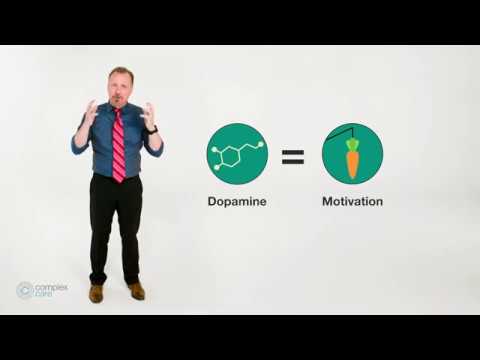
⚡ Dopamine acts as the primary chemical for motivation and survival, with normal baseline levels ranging from 40 to 100 nanograms per deciliter depending on daily experiences.
🚀 Illicit drugs like methamphetamine can artificially surge dopamine levels up to 1,100 nanograms per deciliter, drastically outstripping natural rewards and hijacking the brain's reward system.
Brain Chemistry and Severe Cravings
📉 During withdrawal, dopamine levels can plummet to 10 nanograms per deciliter, plunging individuals into a severe survival mode where the body relentlessly craves dopamine.
⚾ Functional MRI scans reveal that while dehydration creates a brain craving response the size of a baseball and starvation equals a basketball, drug craving lights up the brain the size of a baseball field.
⏳ The intense craving signal in the brain does not decrease until two years of recovery, making daily decision-making exhausting and prone to decision fatigue.
Treatments and Medical Solutions
💊 Treatments for opioid use disorder using medications like methadone and buprenorphine achieve up to 75% effectiveness by successfully raising dopamine back to normal levels.
📉 Despite high success rates, less than 10% of people with substance use disorders have access to these life-saving medications.
⚖️ The DSM-5 diagnoses addiction through behavior across four major pillars and eleven criteria rather than chemical lab tests, emphasizing that behavior is a symptom of the disease.
Key Points & Insights
➡️ Recognize addiction as a medical disease rather than a moral failing, addressing the reality that over 50,000 preventable overdose deaths occur annually in the United States.
➡️ Combat decision fatigue in recovering individuals by utilizing stabilizing medications to significantly decrease cravings, preventing the exhaustion that leads to relapse after saying no thousands of times.
➡️ Eliminate healthcare discrimination by replacing stigma with science-based treatments, proper medical care, and effective medication-assisted treatment for all substance use disorders.
🌐 Translate into 25+ languages
Sign in with Google, then upgrade to Pro to translate summaries, key moments and Q&A.
Click a timestamp to jump to that part of the video
Sign in to unlock Key Moments
Free with your Google account. No credit card needed.
Questions this video answers
Sign in to unlock Q&A
Free with your Google account. No credit card needed.
What viewers are saying about it
Sign in to unlock Top Comments
Free with your Google account. No credit card needed.
Full transcript with timestamps available.
Free plan: first 50% of each transcript, 2 views per day. Upgrade for unlimited
Full video URL: youtube.com/watch?v=bwZcPwlRRcc
Summarize youtube video with AI directly from any YouTube video page. Save Time.
Install our free Chrome extension. Get expert level summaries with one click.